

Introduction
Inherited property direct mail campaigns are one of the most consistent and high-return strategies for real estate investors and wholesalers, allowing you to connect with homeowners who’ve recently inherited a property and may be unsure what to do next. Many heirs never intended to become property owners and are often overwhelmed emotionally and logistically, making direct mail a powerful and respectful way to offer help at the exact moment they need it. A clear value proposition is essential to differentiate your services from competitors, ensuring potential clients understand the unique benefits and expertise you bring. A well-structured campaign can turn inherited properties into predictable off-market opportunities with less competition, higher motivation, and stronger conversion rates. Inherited property direct mail campaigns are a proven method for growing a real estate business by consistently generating quality leads and maximizing profit potential.

Why Inherited Property Leads Matter
Motivated Sellers with Unique Needs
Inherited property owners are often a motivated seller with unique needs, as they face both emotional and practical challenges. They aren’t moving because of downsizing, relocation, or interest in a new home. They inherited something unexpectedly. Many don’t want the responsibility or time commitment of maintaining a property they didn’t choose to own. To learn more about the unique circumstances faced by sellers who have inherited property, see How to Approach a Family Selling a Probate Home: Best Practices and Tips.
Faster Decision Timelines
Because heirs are managing estate paperwork, legal responsibilities, and maintenance issues all at once, their decision-making process is much faster. Once probate clears, they are often motivated to consider selling quickly for a clean, simple exit—often within weeks.
Low Competition and High ROI
Most investors avoid probate and inherited leads due to the misconception that the process is complicated. In reality, it’s straightforward once you learn the basics. And because fewer investors target these leads, your direct mail stands out and converts at a much higher rate, making inherited property leads far less competitive than other real estate niches.
What Makes Inherited Property Owners Different
Emotional Dynamics
These homeowners are in a unique emotional space. They’re dealing with grief, family discussions, and memories tied to the property. That’s why your messaging must be empathetic—never salesy or invasive. Adding a personal touch to your communication, such as a handwritten note or a thoughtful message, can help heirs feel more comfortable and understood.
Logistical Pressure
Inherited properties come with taxes, insurance costs, utility bills, maintenance concerns, and sometimes legal responsibilities. Many heirs don’t have the time or desire to take on the responsibility of maintaining a second house.
Property Condition and Upkeep Challenges
Many inherited homes are outdated, neglected, or vacant. Investors who can handle repairs and offer simple solutions are incredibly attractive to heirs who want a quick resolution. Positioning yourself as a ready buyer can make your offer more appealing to heirs seeking a fast and hassle-free solution.
Why Direct Mail Works for Inherited Property Leads
Tangible and Trust-Building
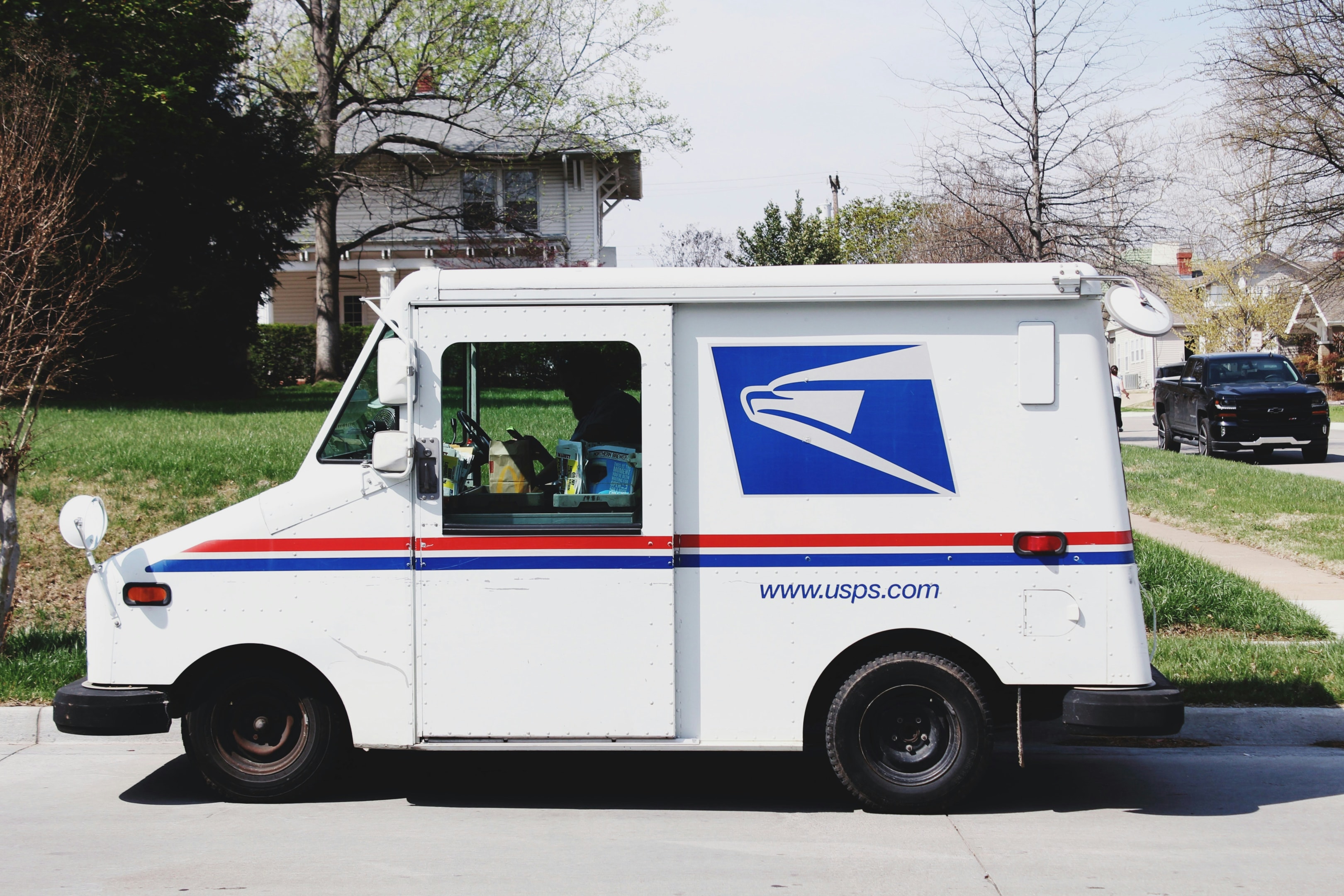
Direct mail feels real. It gets noticed. People are far more likely to take your message seriously when it arrives in an envelope instead of a digital inbox. Including proof, such as client testimonials or recent sales, can further build trust with recipients.
Less Intrusive Than Phone or SMS
Cold calling or texting during a sensitive period can be uncomfortable for sellers. Direct mail is gentle—it gives them time to read, absorb, and decide when they’re ready. This respectful approach helps build relationships that can turn prospects into long-term clients.
Perfect for High-Intent Niches
Inherited property owners are already thinking about what to do with the home. You’re not creating demand—you’re showing up at the right time. To maximize results with high-intent inherited property leads, it’s essential to have a well-planned strategy that guides your approach.
How to Build an Inherited Property Mailing List
Probate Records
Probate filings often list the personal representative (executor) and property address. These are the most direct and targeted leads you can generate. Use this information to create targeted mail campaigns that reach motivated sellers using probate record data.
Obituaries + Cross-Referencing
Pre-probate leads allow you to reach heirs months before the competition. When done respectfully and without referencing death, these leads produce excellent response rates. You can also test different messaging or timing with pre-probate leads to see which approach delivers the best results.
Professional Lead Providers
Buying verified inheritance property data saves time and prevents errors. A trusted provider like USLeadList will deliver proven, cleaned, and accurate records with contact details ready for mailing. To learn more about their high quality inheritance leads, check out their website and see if leads in your county are available.
Types of Direct Mail for Inherited Property Campaigns
Handwritten-Style Letters
Handwritten letters are the gold standard in direct mail marketing for inherited property campaigns. These letters feel personal and genuine, helping them get opened first among other mail. Their authentic look puts the seller at ease, creating trust and respect. This personal touch is crucial when reaching heirs who may be emotionally overwhelmed and cautious of sales tactics. By mimicking a handwritten note, these letters stand out in a mailbox full of generic marketing, increasing the chance of a positive response. Many investors find that using handwritten-style letters boosts response rates and builds strong connections with motivated sellers. To learn more about the advantages of using high quality handwritten style mail, see Handwritten Direct Mail for Real Estate: The Underrated Lead-Gen Strategy That Converts.
Postcards
Short, simple, and easy to scan, postcards are an excellent choice for direct mail marketing. Their concise format allows recipients to quickly grasp your message without feeling overwhelmed by too much information. Postcards are also ideal for testing different messages, designs, and calls-to-action to see which ones resonate best with your audience. Because they don’t require opening an envelope, postcards tend to have higher open rates compared to traditional letters. This makes them a cost-effective and efficient way to maintain regular contact with inherited property owners, keeping your brand top of mind throughout the selling process. See Real Estate Direct Mail Postcards: The Ultimate Guide for 2025 to learn more about this method.
Formal Probate Letters
More professional in tone, perfect for heirs working closely with attorneys or handling estate affairs through a structured process. Formal probate letters can also help establish your credibility as a knowledgeable agent or investor in the eyes of heirs and attorneys.

Crafting the Perfect Message
Empathy First
Your message should avoid referencing any sensitive personal details or words like “death,” “loss,” or “passing.” Keep it neutral and vague to encourage curiosity. Something as simple as “I have a question about your property” can result in high response rates and quality phone calls.
Clear Call-to-Action
Make it easy for the seller to take the next step. Whether it’s calling, scanning a QR code, texting a number, visiting your website, or going to a simple landing page, clarity is key.
Best Timing for Inherited Property Mailers
Pre-Probate Timing
This is the earliest stage in the inherited property process. At this point, heirs are just beginning to explore their options and may not yet be fully aware of the responsibilities ahead. Because competition from other investors is extremely low during this phase, reaching out with respectful and informative mail can generate surprisingly strong responses. Approaching heirs gently and offering helpful information can establish trust early on, setting the foundation for future conversations.
Active Probate Window
During this critical phase, heirs are actively dealing with attorneys, managing paperwork, and navigating the complexities of estate administration. They often feel overwhelmed by the legal and logistical demands. Sending a helpful and well-timed offer during this period can provide much-needed support and guidance. Your mail can stand out by showing empathy and offering clear solutions, arriving at the perfect moment when heirs are ready to consider selling.
Post-Probate Follow-Up
Many inherited properties don’t sell until probate officially closes, as heirs gain the legal authority to make decisions about the estate. This makes the post-probate period an excellent time to send follow-up mailers. By this stage, heirs are often more decisive and motivated to sell, looking for a straightforward and hassle-free transaction. Well-crafted mail pieces sent during this window can effectively capture their attention and prompt action.
Designing Mail that Stands Out
Fonts and Envelope Style
Choose handwritten-style fonts that mimic natural handwriting to create a personal and authentic feel. Use real postage stamps instead of printed ones to add a touch of sincerity and avoid looking like mass marketing. Keep envelopes simple and understated—avoid large logos or flashy branding that can make your mail appear like generic advertising. This subtle approach helps your mail stand out as a thoughtful letter rather than just another marketing piece.
Personalization Techniques
Incorporate specific details such as the seller’s full name and the exact property address to make each mailer feel uniquely crafted for the recipient. Use language that sounds like a one-on-one conversation rather than a generic template. This level of personalization significantly boosts engagement and increases the chances that the recipient will read and respond to your message. Your ability to tailor each mailer to the individual recipient can dramatically improve overall response rates and build a stronger connection. To learn more methods that will help set your mail apart from junk mail pieces, see Maximize Your Impact with Real Estate Direct Mail Strategies for 2025.
Message Length and Layout
Keep your message concise with short, easy-to-read paragraphs to maintain the reader’s interest. Use clean spacing and simple formatting to make the letter inviting and approachable. Write in a conversational tone that feels warm and empathetic, helping recipients feel comfortable and understood. Avoid dense blocks of text or overly formal language, which can be intimidating or off-putting. A well-structured, reader-friendly layout encourages recipients to absorb your message and take action.

Creating a Multi-Touch Direct Mail Sequence
3–5 Step Mail Cycle
A single mailer isn’t enough to connect with individuals who have just inherited a property. A full sequence over multiple months works best for inherited properties, such as:
- Letter 1: Introduction + Question
- Letter 2: Soft Reminder + Empathy
- Postcard 3: Simple Call-to-Action
- Letter 4: Strong Value Offer
- Postcard 5: Final Touchpoint
Repetition builds familiarity and increases response rates. Staying consistent with your mail cycle increases your chances of success.
Consistent Branding
Your tone, design, and contact info should stay consistent across all pieces to build trust and recognition over time. Consistency helps recipients associate your mailers with professionalism and reliability, increasing the chances they will engage with your message.
Response Rate Optimization
Each mailer should slightly adjust the message—adding a new benefit, perspective, or reinforcement of value—to keep recipients interested and prevent message fatigue. Regular testing of different mail formats, messaging styles, and calls-to-action is recommended to optimize response rates and improve overall campaign effectiveness. By analyzing which elements resonate best, you can refine your direct mail strategy and maximize your return on investment.
Compliance Considerations
Avoiding Sensitive Language
Never mention specifics about the deceased or imply you know details of the situation. Maintaining discretion is crucial to respecting the privacy and emotions of the recipients, which helps build trust and credibility.
Ethical Messaging
Your role is to help—not pressure. Keep your tone neutral, calm, and solution-oriented. Focus on offering genuine assistance and clear options without making the recipient feel rushed or overwhelmed.
Following Local Guidelines
Some counties have restrictions around contacting probate filers. Always confirm compliance with local laws and regulations before sending mailers to avoid legal issues and maintain professionalism.
Tracking and Measuring Success
Call Tracking Numbers
Assign a unique phone number to your inherited property mailers to track responses effectively. This allows you to accurately measure ROI, understand which messages resonate best, and optimize your campaign based on real data.
Unique Landing Pages
Use QR codes or custom URLs that lead recipients to property-specific landing pages. These pages enable detailed digital tracking, provide additional information, and make it easy for potential sellers to engage with your offer instantly.
Lead Management Systems
Implement a CRM system to store leads, record phone calls, track interactions, and follow up consistently. A well-organized lead management system helps you nurture prospects, maintain relationships, and convert more inherited property leads into closed deals. To learn which CRM might be a god fit for you and your business, see How to Pick the Best CRM for Real Estate Investors (Without Wasting Money).
Common Mistakes to Avoid
Overselling
This audience is particularly sensitive, so it’s important to avoid hype, bold claims, or aggressive language that might come across as pushy or insincere. A gentle, respectful tone will resonate much better and build trust over time.
Sending Too Soon or Too Late
Timing is everything. You need to strike at the right moment in the probate or inheritance process to maximize your chances of a positive response. A well-timed sequence that aligns with the seller’s readiness always beats a rushed or delayed approach.
Generic Messaging
Recipients can instantly tell when a letter was mass-produced and lacks a personal touch. Personalization is key—it separates true real estate professionals from amateurs and shows that you’ve done your research and care about the individual situation.

Conclusion
An inherited property direct mail campaign is one of the most effective—and respectful—ways to reach motivated sellers who are navigating emotional and logistical challenges. A well-crafted handwritten-style letter with empathetic messaging and a structured multi-touch mail sequence positions you as a trusted resource at the exact moment they need assistance. Many real estate investors have found that targeted inherited property direct mail campaigns lead to more closed and profitable deals by identifying opportunities others overlook.This approach remains a powerful tool in real estate investing, enabling professionals to make informed decisions and build lasting connections with motivated sellers.